

Description
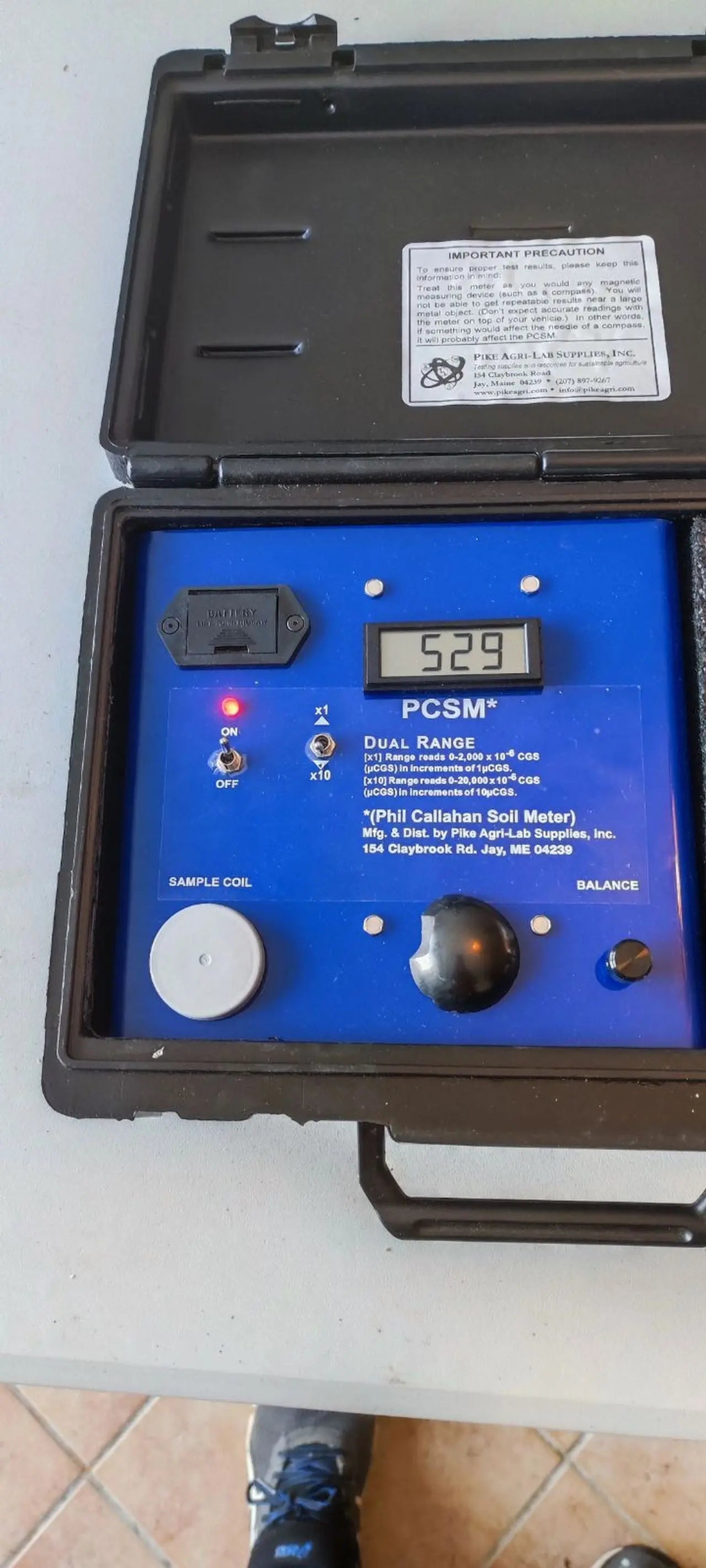
Revitalize Your Crops with the Exceptional Power of Basalt Rock Dust: 5290 µCGS of Paramagnetic Vitality!
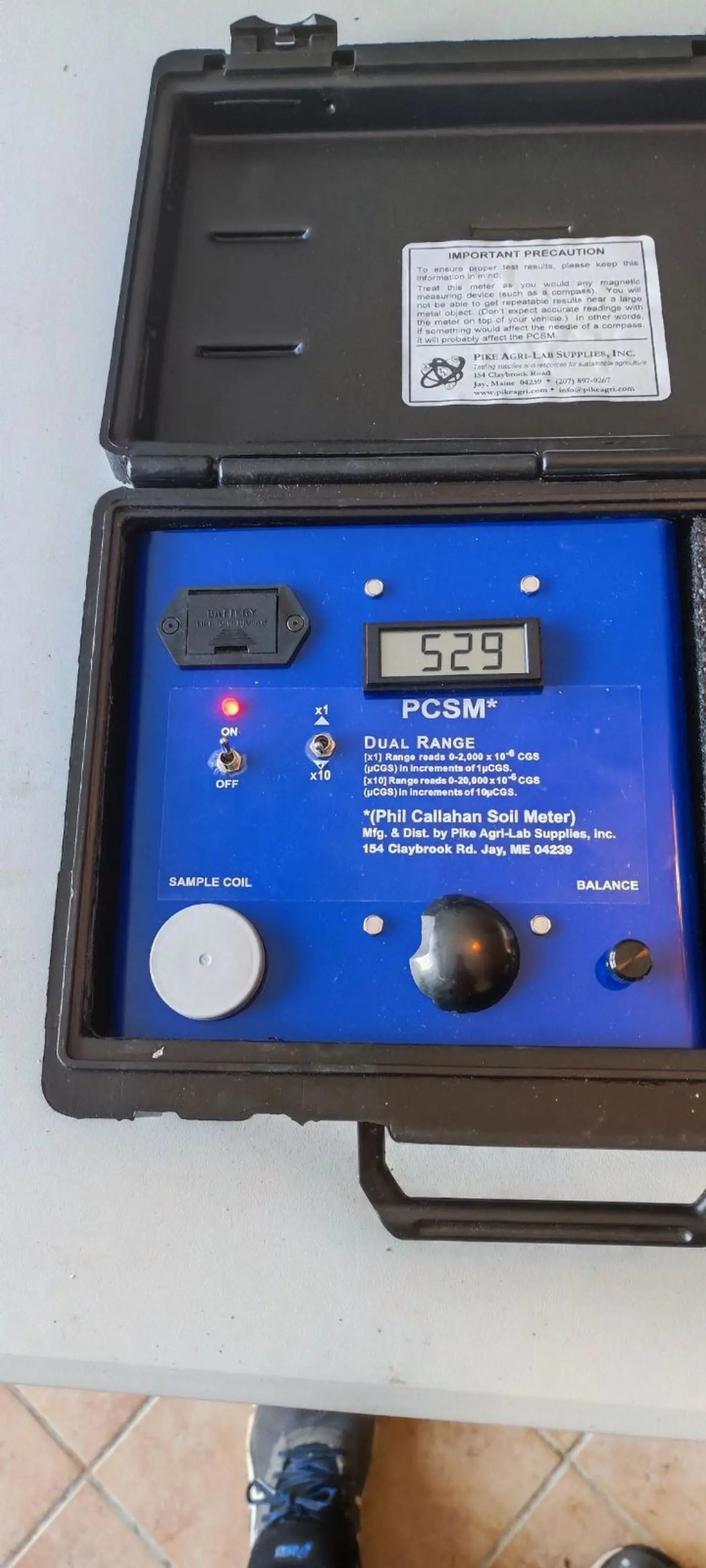
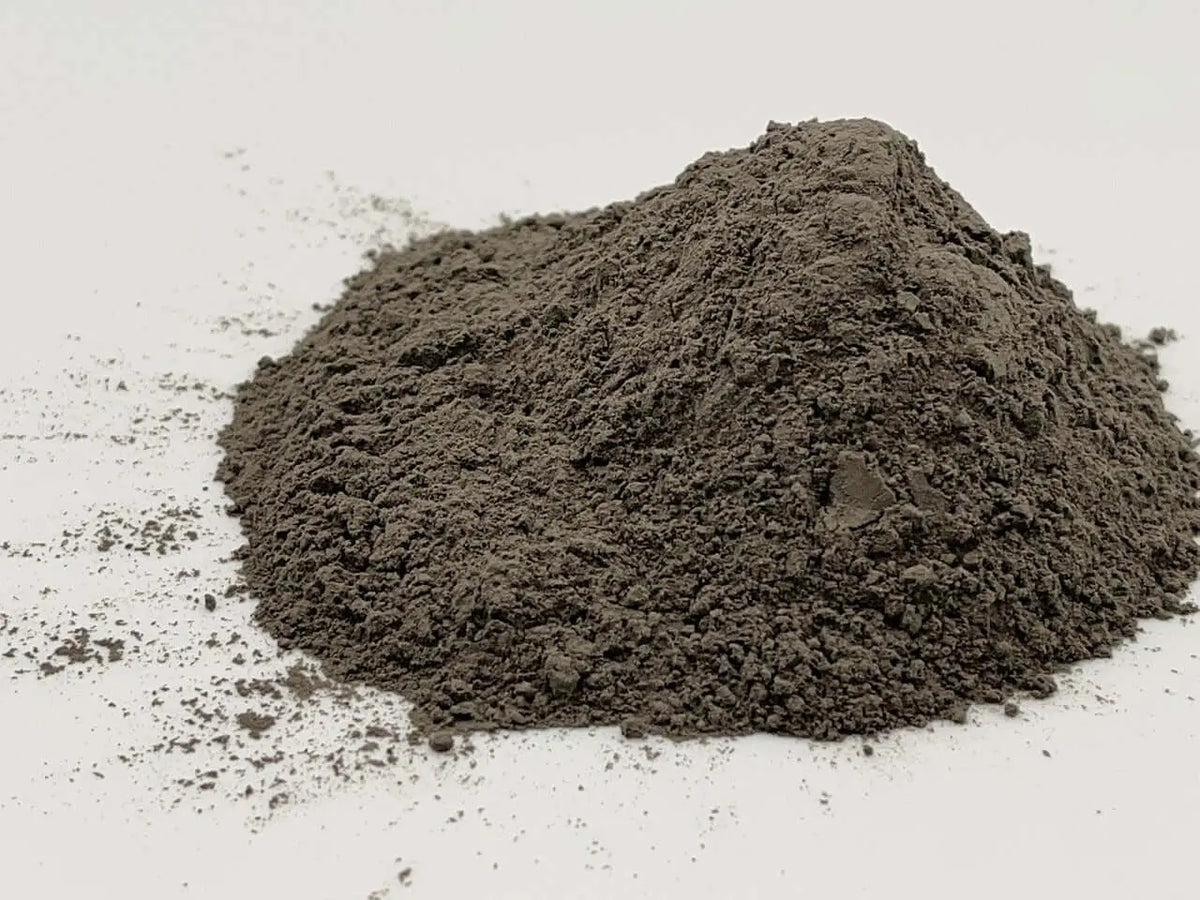
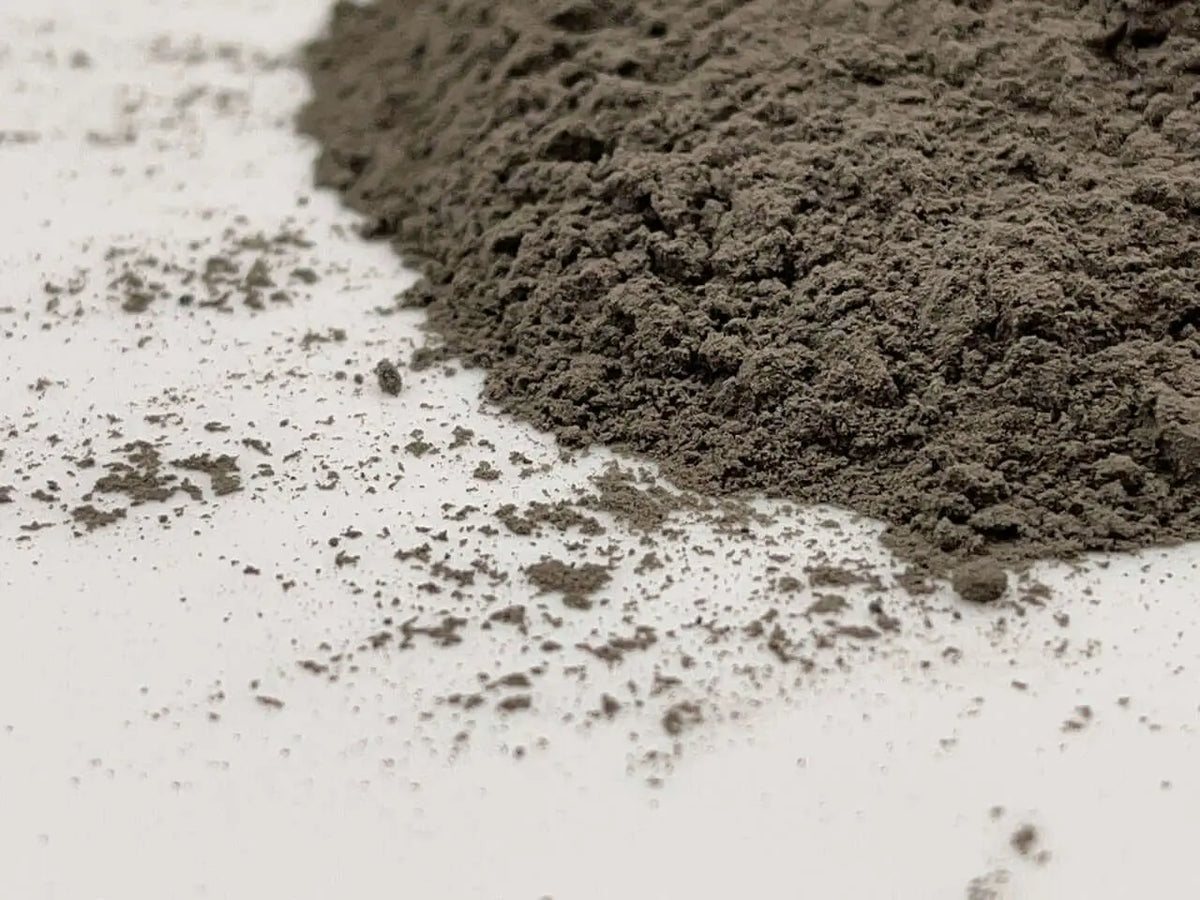
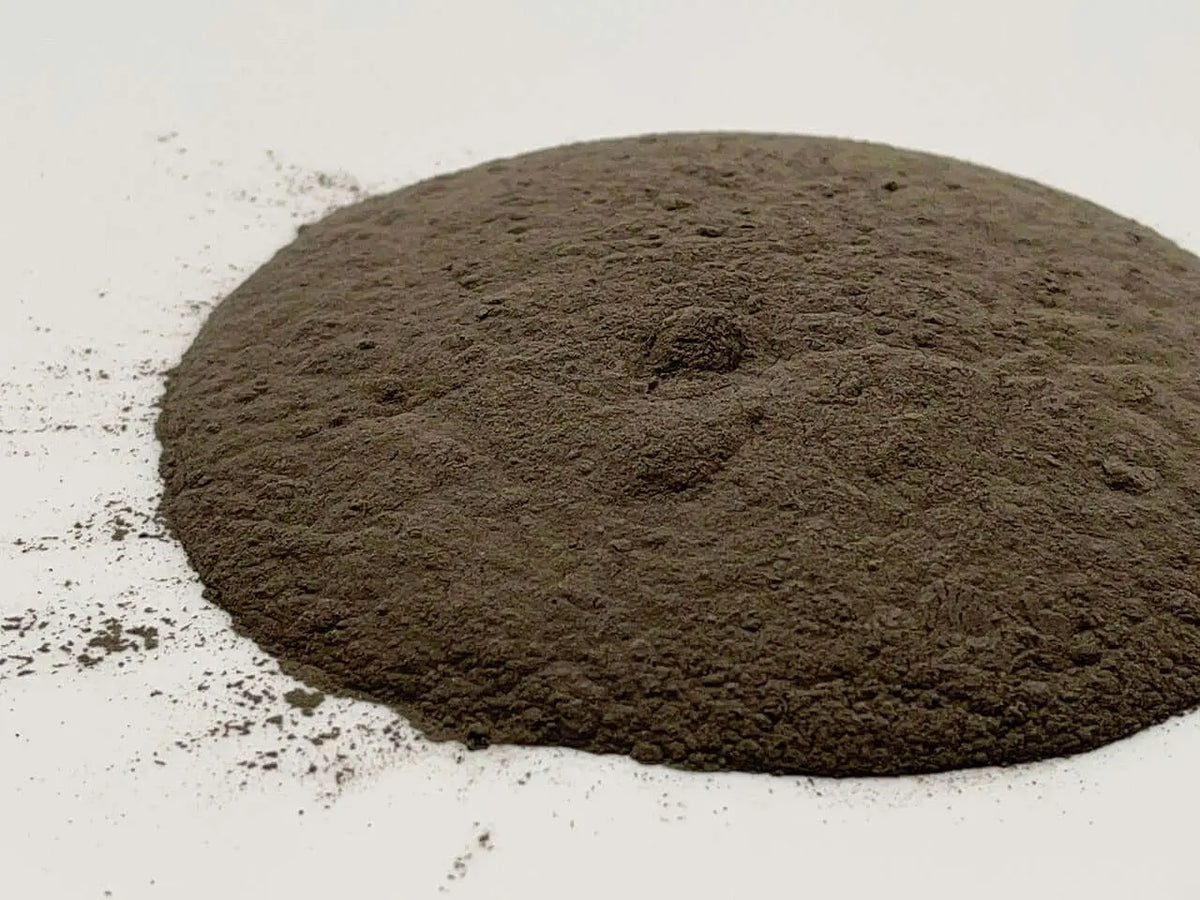
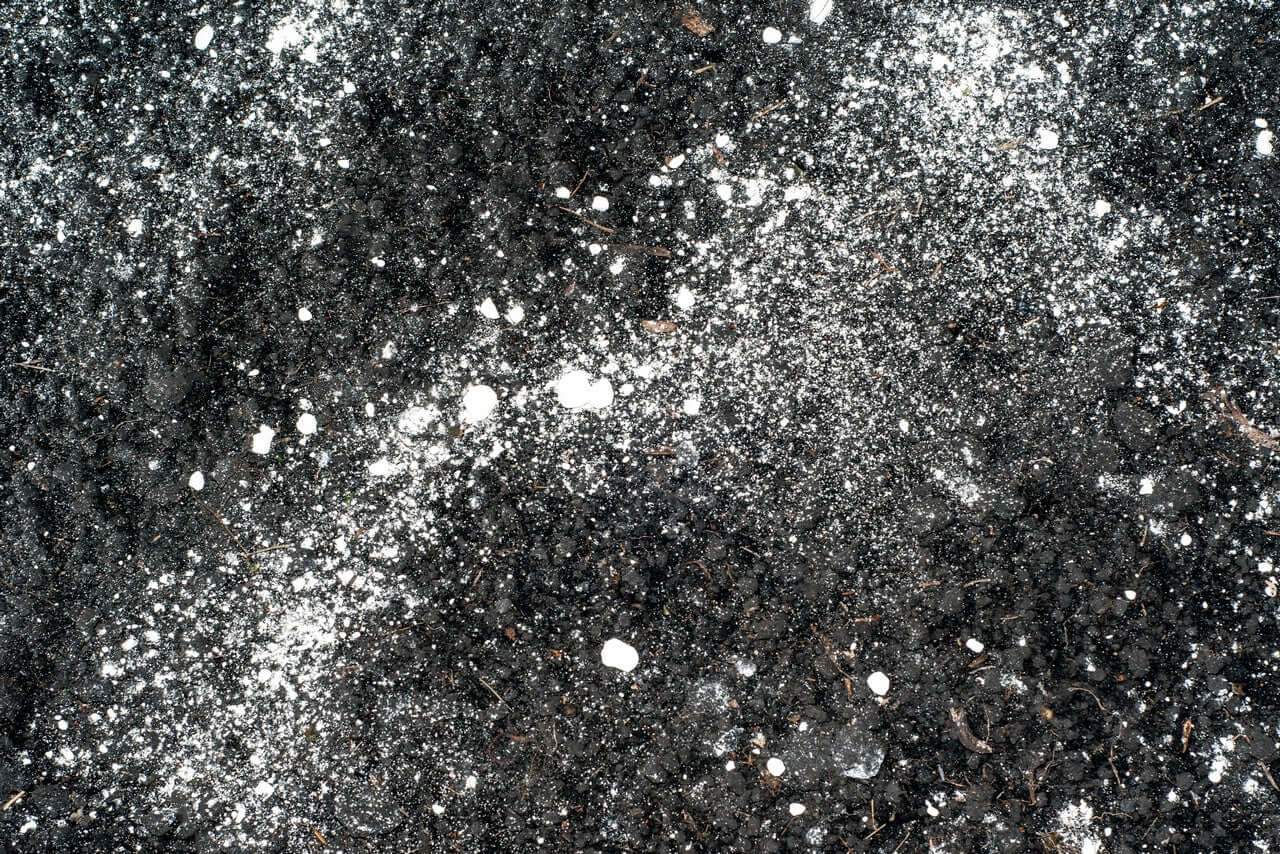
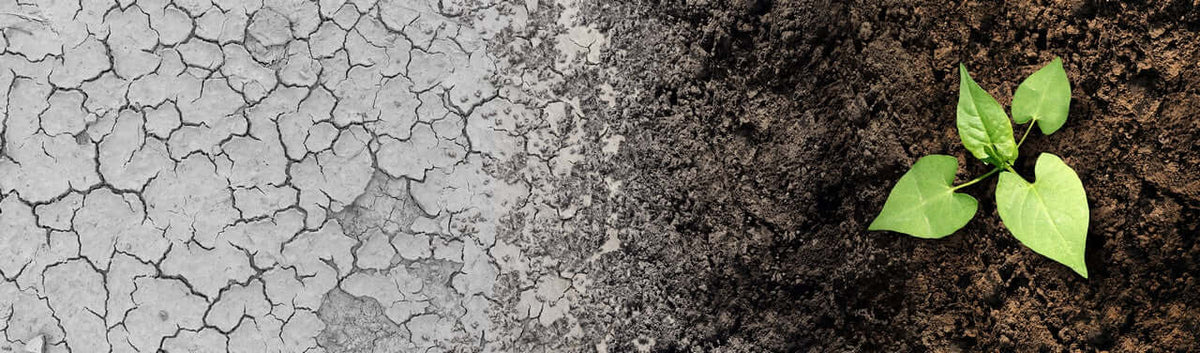
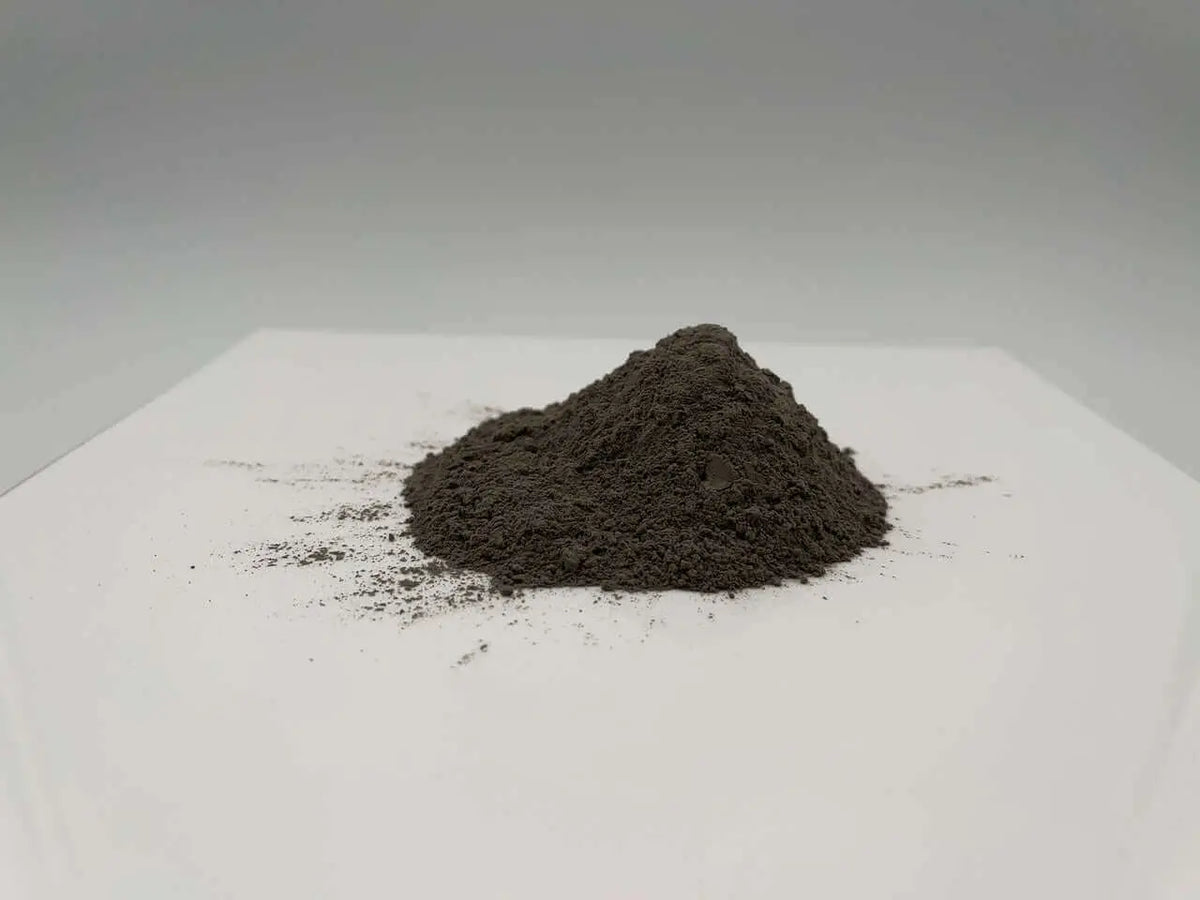
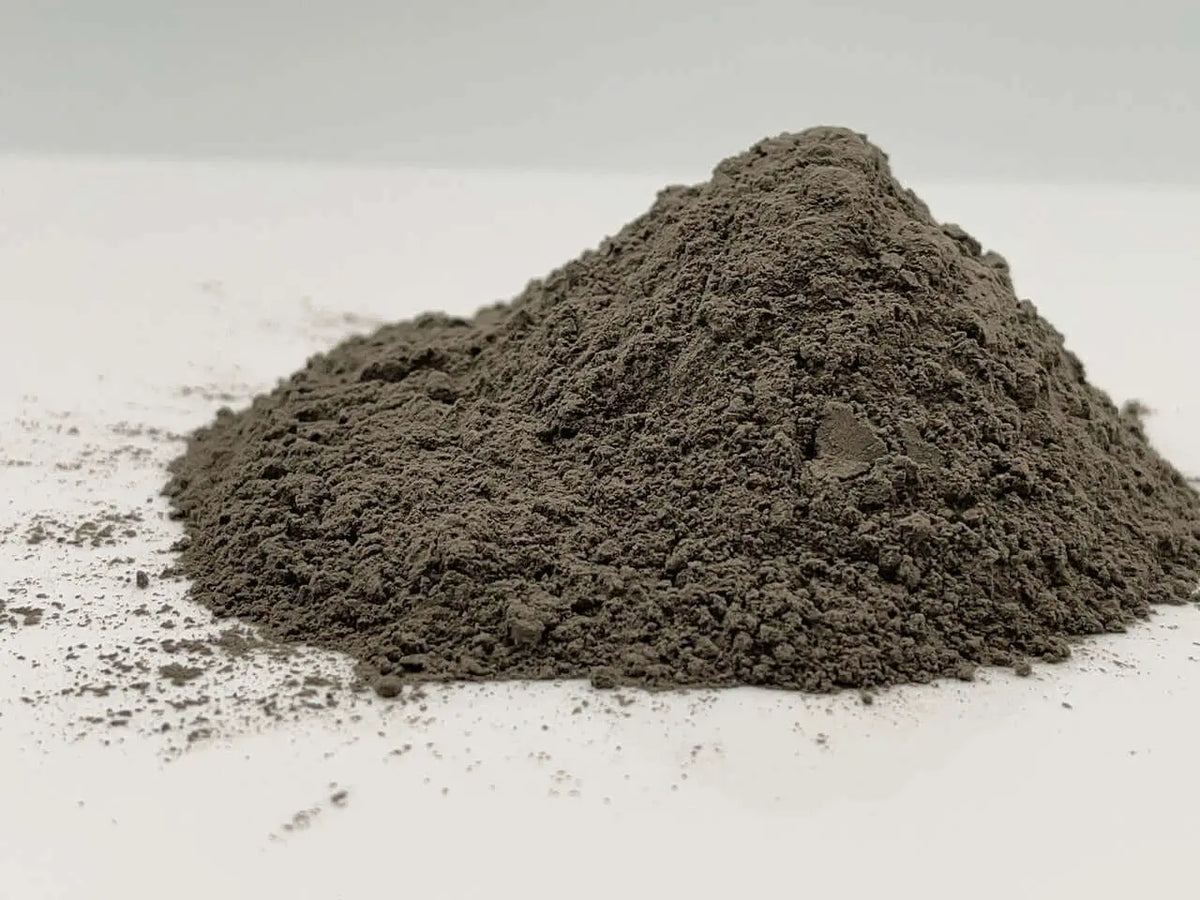
Discover the age-old secret to stronger, more productive crops. Basalt rock dust is not just a mineral amendment; it is an elixir of life for your soil, charged with an extraordinary paramagnetic value of 5290 µCGS. This powerhouse not only fulfils one of the 3 essential M's of organic farming — minerals — but redefines soil remineralization for a new era of vigour and abundance.
The Revolution in Organic Farming: Organic Matter, Microorganisms, and Enhanced Minerals.
At the heart of resilient, rich agriculture lies a perfect balance — a model that has sustained life for eons. In our era of agricultural challenges, basalt rock dust emerges as the pillar for restoring this balance, delivering an unprecedented impact on soil remineralization. With 5290 µCGS of paramagnetic energy, it transforms the land to cultivate resilience, health and productivity like never before.
Transform Your Soil with the Paramagnetic Supremacy of Basalt.
- Supreme Remineralization: Enriches the soil with more than 70 essential minerals, including silicon, calcium, magnesium and iron, catalysed by an unmatched value of 5290 µCGS for optimal absorption.
- Exponential Yields: Accelerates root growth and maximizes nutrient uptake, boosting the productivity of your crops to extraordinary levels.
- Soil Regeneration: Transforms soil structure, improving aeration and water-holding capacity, resulting in healthier, more resilient crops.
- pH Balance and Soil Nutrition: Optimizes soil health, raising its cation exchange capacity and enriching its mineral profile.
- Natural Defence: Strengthens plants against pests and diseases, promoting a healthier agricultural ecosystem.
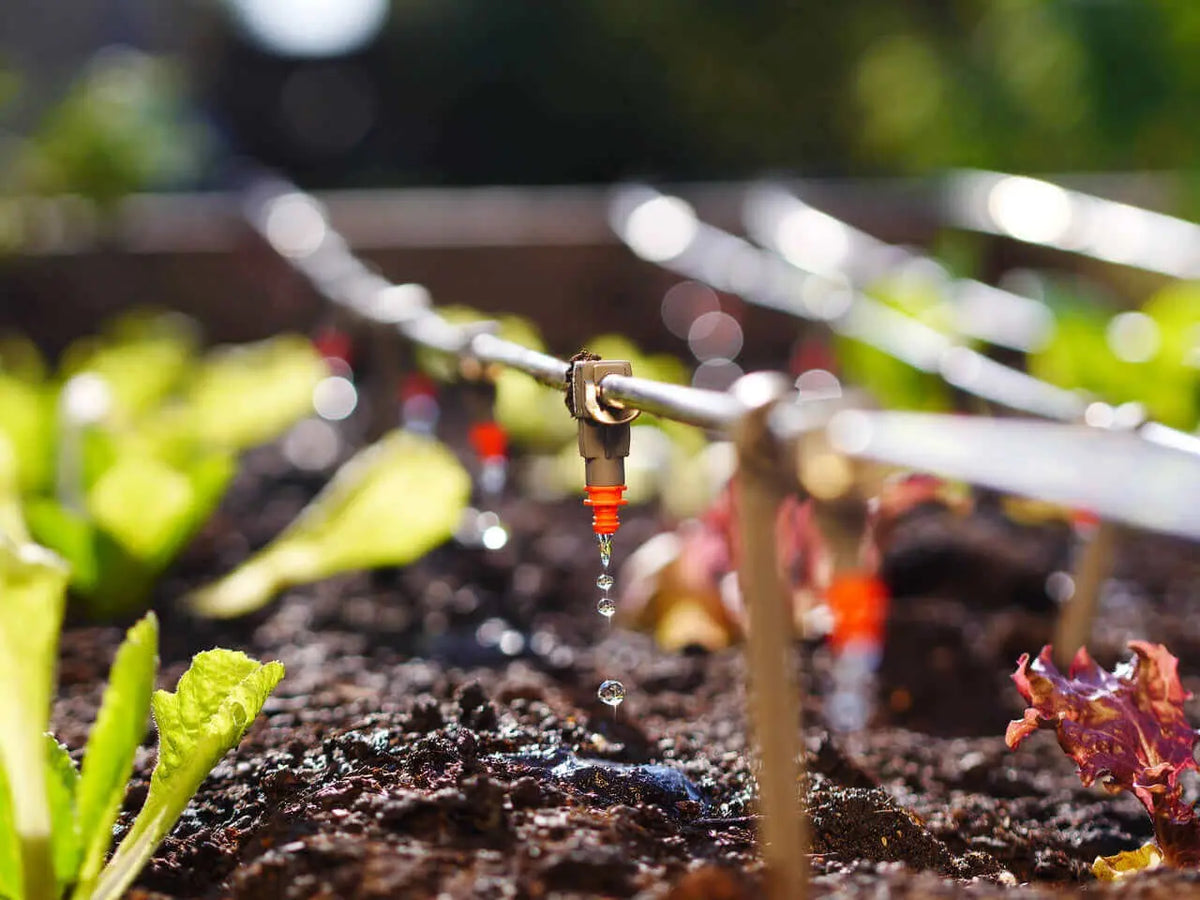
- Moisture Conservation: Improves water retention, ensuring consistent hydration and reducing the need for frequent irrigation.
- Climate Benefit: Contributes significantly to carbon dioxide capture, offering a powerful, natural solution against climate change.
Advanced Chemical Composition: The Power of Basalt Rock for Agriculture:
Maximize the Power of Your Crop with the Ideal Timing and Quantity.
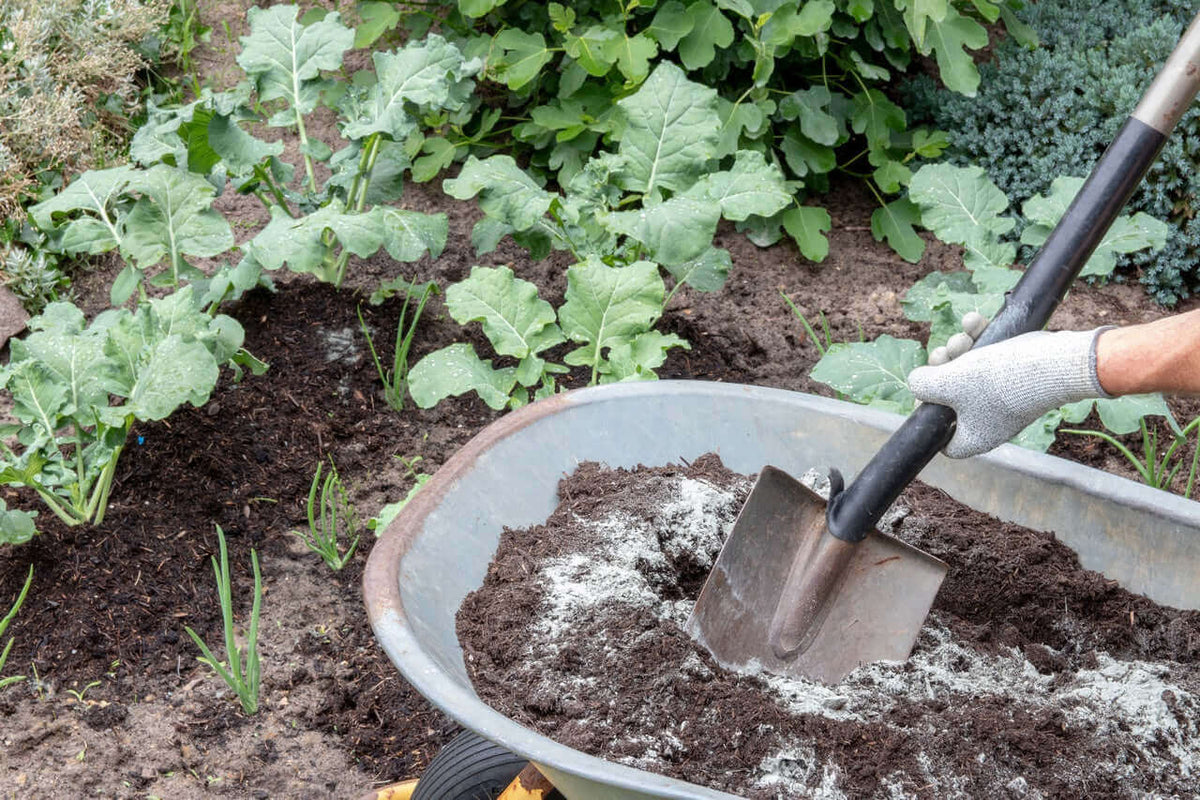
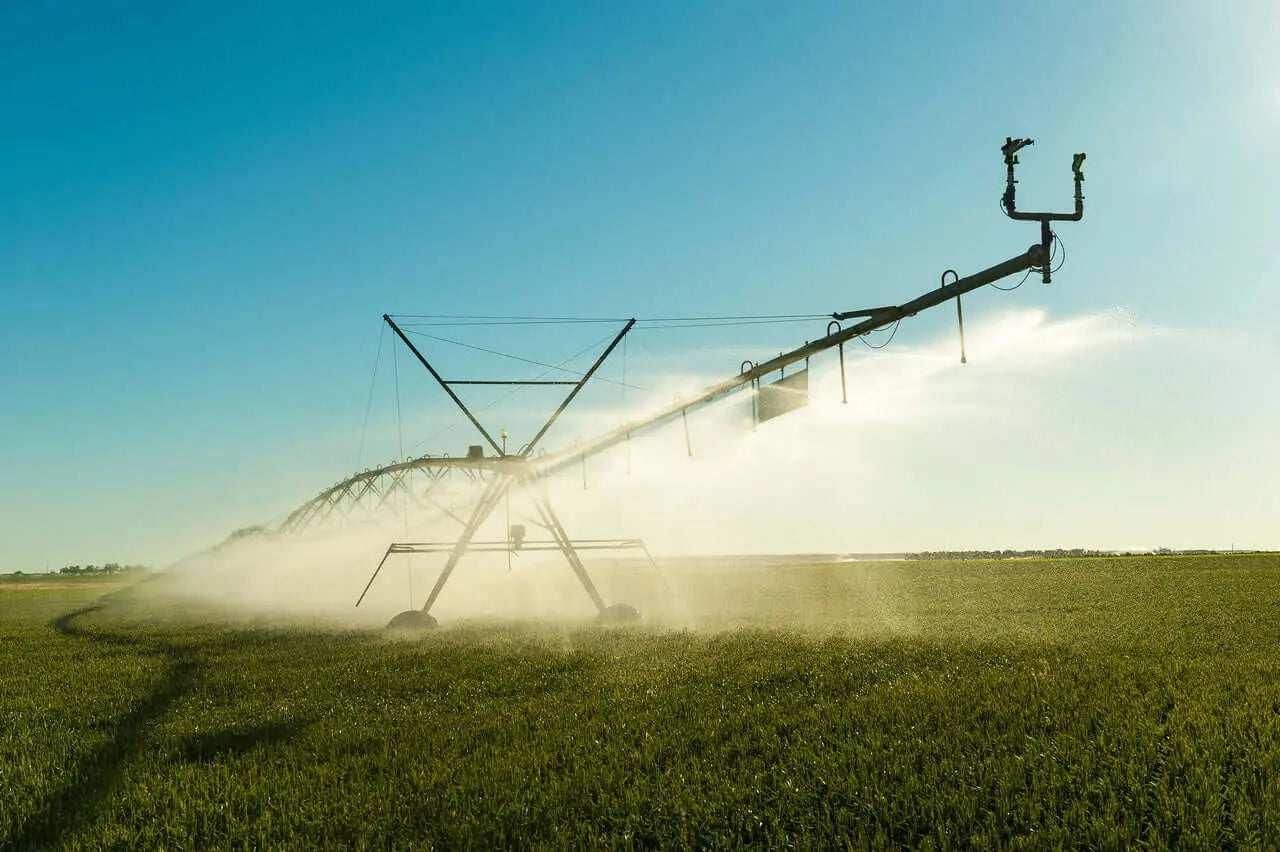
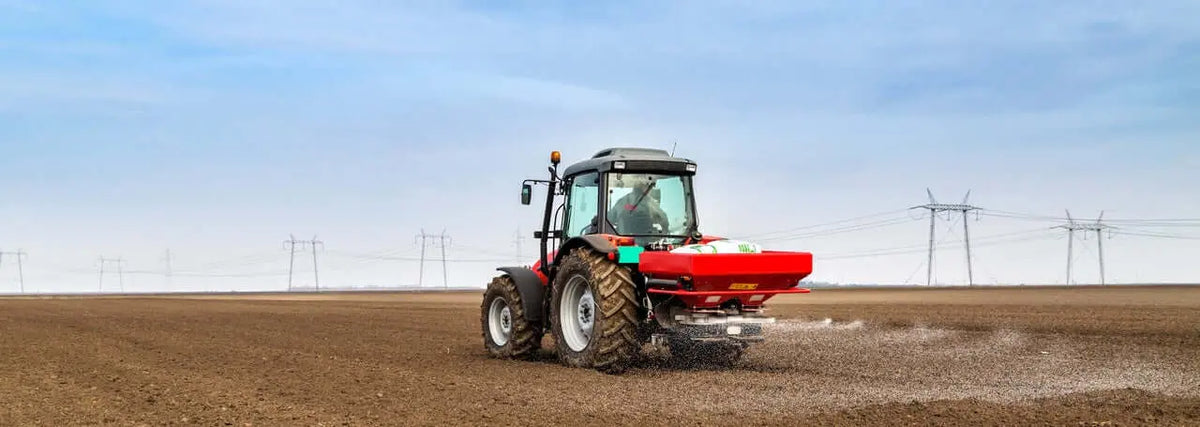
Apply the transformative power of basalt rock dust in autumn to fully integrate its exceptional benefits. Whether sprinkled directly onto the soil or mixed into irrigation water.
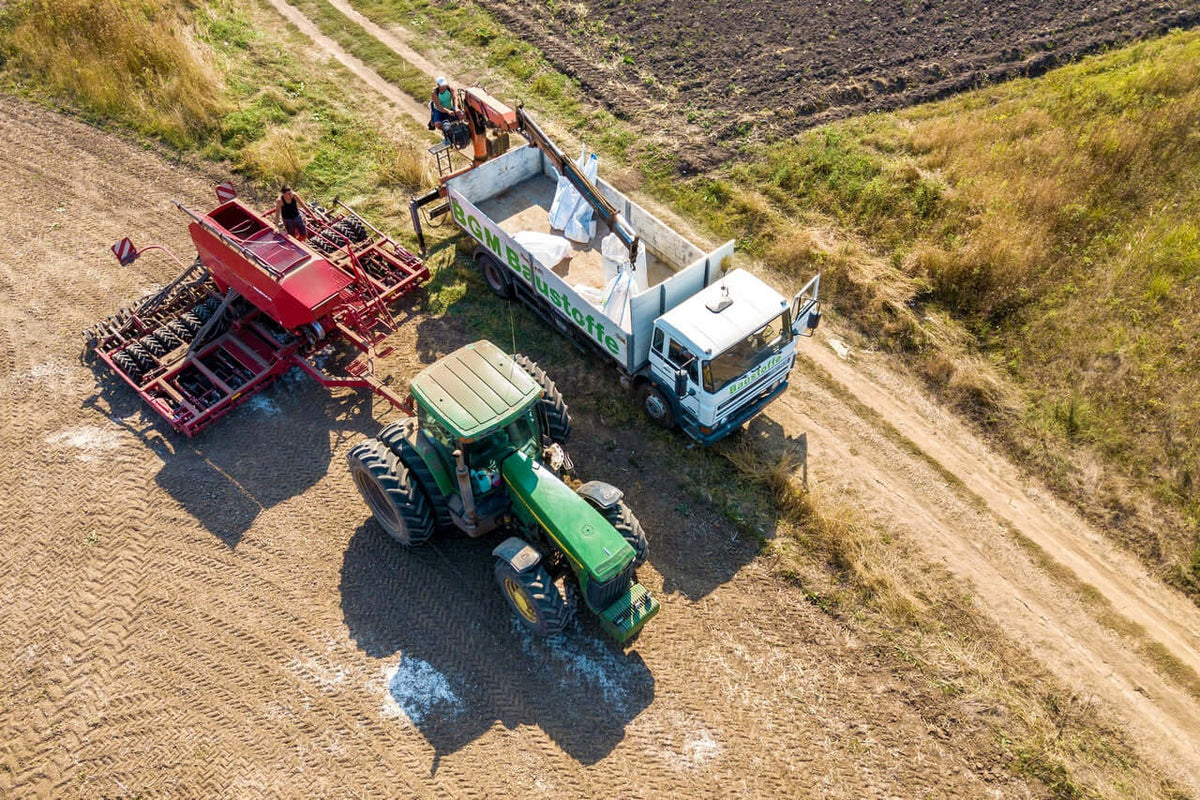
The application rate of basalt rock dust per hectare depends on the objective (soil regeneration, mineral supply, correction of deficiencies) and the type of crop.
🔹 General guidance used in regenerative and organic farming:
-
Maintenance / regular supply: between 500 and 1,000 kg/ha (50–100 g/m²).
-
Regeneration of poor or degraded soils: between 2,000 and 4,000 kg/ha (200–400 g/m²), usually applied once at the start, followed by smaller maintenance doses in subsequent years.
-
Application in intensive horticultural crops: typically 1,000–2,000 kg/ha worked into the soil before sowing or after harvest.
📌 Basalt rock dust acts in a slow and progressive way, releasing minerals such as silicon, calcium, magnesium and trace elements, so there is no risk of immediate overdosing — though it is advisable to adjust the amount based on soil analysis and crop needs.
👉 Practical recommendation:
-
Carry out a soil analysis to identify actual deficiencies.
-
Apply an initial dose of 2,000 kg/ha if the soil is poor or depleted, or 500–1,000 kg/ha as an annual maintenance dose.
-
Work the basalt rock dust into the surface or mix it lightly with the soil to promote its action.
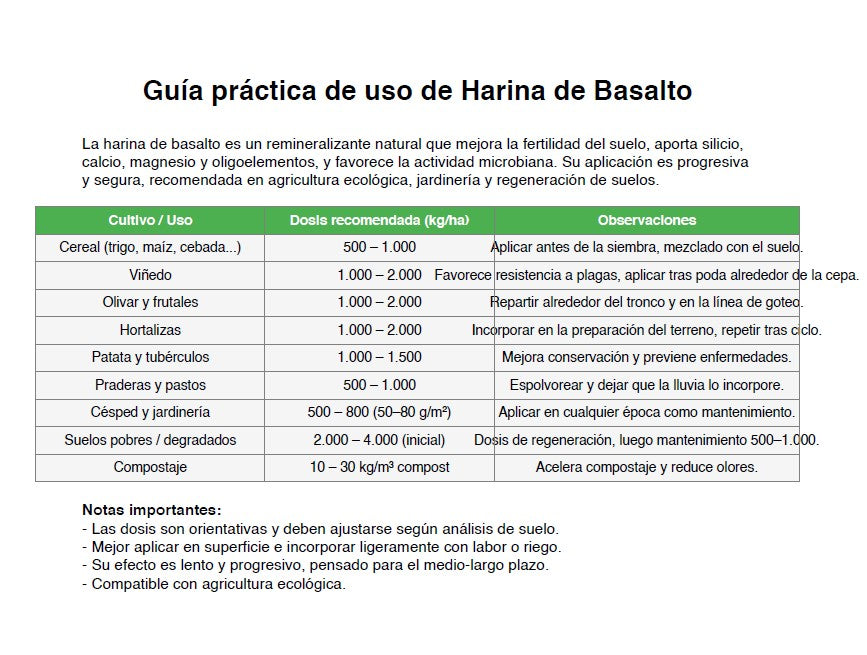
Guideline Doses of Basalt Rock Dust by Crop
| Crop / Use | Recommended dose (kg/ha) | Notes |
|---|---|---|
| Cereals (wheat, barley, maize, etc.) | 500 – 1,000 | Apply before sowing, mixed into the soil. |
| Vineyards | 1,000 – 2,000 | Improves pest resistance and soil structure. Ideal after pruning and worked in around the vine. |
| Olive groves and fruit trees | 1,000 – 2,000 | Spread around the trunk and along the drip line. Can be combined with compost. |
| Vegetables (intensive market gardens) | 1,000 – 2,000 | Work in when preparing the soil. Smaller doses can be repeated after each cycle. |
| Potatoes and tubers | 1,000 – 1,500 | Helps prevent disease and improve tuber storage. |
| Meadows and pastures | 500 – 1,000 | Sprinkle and let the rain work it in. Promotes the soil's microbial flora. |
| Lawns and gardening | 500 – 800 (50–80 g/m²) | Ideal for maintenance, can be applied at any time of year. |
| Crops on poor/degraded soils | 2,000 – 4,000 (initial dose) | Regeneration dose. Then continue with annual maintenance of 500–1,000 kg/ha. |
| Composting | 10 – 30 kg/m³ of compost | Speeds up the process and reduces odours. |
📌 Important notes:
-
Doses are indicative and depend on soil analysis.
-
Best applied on the surface and lightly worked in with tillage or irrigation.
-
Its effect is slow and progressive (improvement over the medium-to-long term).
-
Compatible with organic farming.
Preguntas frecuentes
¿Qué es la Harina de Basalto y para qué sirve?
Es un remineralizante natural del suelo que aporta más de 70 minerales (silicio, calcio, magnesio, hierro, entre otros) y cuenta con un valor paramagnético de 5290 µCGS.
¿Qué dosis se recomienda según el cultivo?
Para cereales, 500-1000 kg/ha; para viñedo y olivar, 1000-2000 kg/ha; para suelos degradados, 2000-4000 kg/ha en la aplicación inicial; y para compost, 10-30 kg/m³.
¿Cuándo es mejor aplicar la harina de basalto?
Se recomienda su aplicación en otoño.