
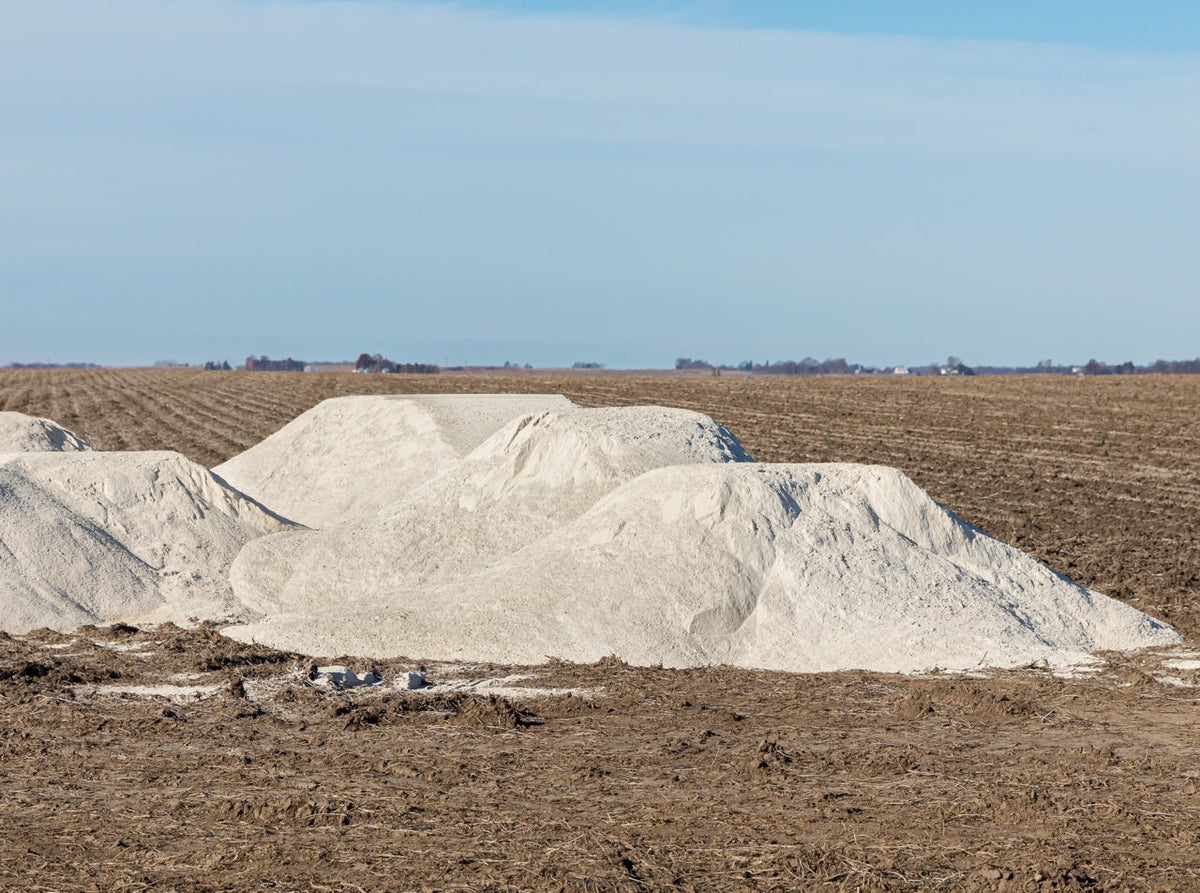
In agriculture, dealing with soil that has a very alkaline pH can be a considerable challenge. Alkaline soils, with a pH above 8.5, often struggle with the availability of nutrients essential to plants, which can negatively affect crop growth and health. However, with the right treatment, it is possible to restore and improve the quality of these soils. In this article, we explore how "TurboCal," an innovative blend of 80% agricultural gypsum and 20% peat, can be an effective solution to this problem.
The Challenge of Alkaline Soils
A high soil pH can lead to a range of agronomic problems, including low solubility of nutrients such as phosphorus, iron, manganese and zinc. This can result in nutritional deficiencies in plants, affecting their development and yield. In addition, alkaline soils often have poor structure and inefficient drainage, which can worsen salinity problems.
Introducing TurboCal
"TurboCal" is an optimized blend of agricultural gypsum (80%) and peat (20%). This combination not only improves the soil's physical structure and cation exchange capacity, but also provides essential organic matter and helps moderate soil pH.
Agricultural Gypsum:
The 80% agricultural gypsum in TurboCal works by displacing sodium present in alkaline and saline soils, improving permeability and aeration. Gypsum also supplies calcium without altering the soil's pH balance, which is crucial in alkaline soils where adding more alkalinity could be counterproductive.
Peat:
The 20% peat in TurboCal provides organic matter, which is vital for improving soil structure and its capacity to retain water and nutrients. Peat has a slightly acidifying effect that can help moderate soil pH, making nutrients blocked by alkalinity more available.
Benefits of TurboCal
- Improved Soil Structure: The combination of gypsum and peat improves soil structure, facilitating better drainage and greater aeration.
- Correction of Sodicity: TurboCal helps correct sodicity in alkaline soils, improving the cation exchange ratio and reducing problems related to salinity.
- Increased Organic Matter: By adding peat, TurboCal significantly increases the soil's organic matter content, vital for biological activity and soil fertility.
- pH Moderation: The peat in TurboCal helps lower the pH of extremely alkaline soils, improving the availability of nutrients that are critical for plant growth.
How to Use TurboCal
TurboCal should be applied evenly over the field, ideally before the planting season, to allow the materials to be properly incorporated into the soil. The specific amount and frequency of application will depend on the initial condition of the soil, which should be assessed through a soil analysis. We generally recommend an initial application of 2 to 3 tonnes per hectare, adjusting according to results and post-application observations.
Conclusion
Restoring soil with a pH above 8.5 presents unique challenges, but with TurboCal, farmers have an effective tool available to improve the quality and productivity of their soils.